

Dr. Li Tik Shun, Dion
Dental Implants, Bone Grafting, Full Mouth Implants, All on 4, Sinus Lift, TMJ, Jaw Pain
Specialist in Oral and Maxillofacial Surgery
Speaks: English, Cantonese, Mandarin
Wisdom teeth do not always need removal. Your dentist will assess symptoms, the tooth’s position and the health of nearby teeth and gums before discussing monitoring or extraction. Diestel & Partners provides wisdom tooth assessment in Central; complex cases may be referred to an oral and maxillofacial surgeon.
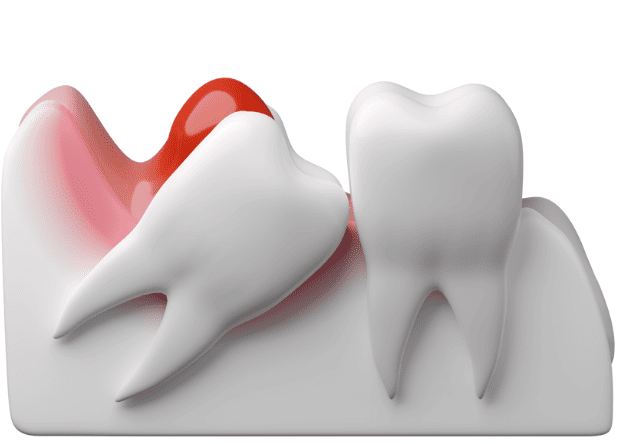
Wisdom teeth are the last set of molars that usually emerge between the ages of 17 and 25. While some people have wisdom teeth that grow without issues, many face complications due to limited space or abnormal growth directions, such as:
A wisdom tooth may be partly or completely unable to emerge because of its position or a lack of space. Impaction alone does not mean it must be removed.
Partly erupted or awkwardly positioned wisdom teeth can trap food and be difficult to clean, increasing the risk of decay and gum inflammation.
Inflammation or abscess formation around the wisdom teeth.
The dentist checks for decay, gum disease or other damage affecting the wisdom tooth and the neighbouring molar.
Removal may be considered for recurrent or severe gum infection, decay that cannot be restored, an abscess, a cyst or damage to adjacent teeth. Pain needs assessment to establish its cause before deciding on treatment.
A healthy wisdom tooth that causes no problems may be monitored at routine reviews. Removal is not automatically needed to prevent crowding or improve orthodontic results. The dentist will weigh the benefits and risks for your case.
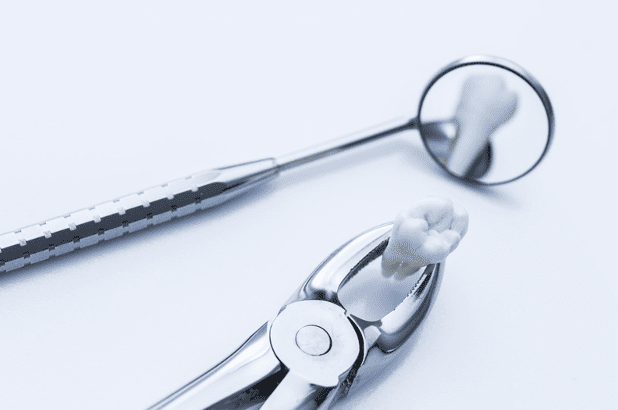
Simple extraction: An accessible tooth may be loosened and removed using dental instruments, usually with local anaesthetic.
Surgical extraction: A partly erupted or impacted tooth may require a small gum incision, removal of some surrounding bone or division into smaller sections. Not every extraction needs all these steps.
Visits: Assessment, extraction and any review are planned according to the case.
Procedure time: A straightforward extraction may take only a few minutes; a difficult tooth or removal of several teeth can take longer. Your dentist will estimate your appointment length.
Recovery: Some people resume normal activities the next day; others need several days off. Swelling, soreness or jaw stiffness may last around two weeks; recovery varies.
Assessment: The dentist examines the area and arranges appropriate X-rays when needed to assess the tooth and nearby structures. Tell us about your medicines, allergies and medical conditions.
Planning: Discuss monitoring or extraction, the approach and any referral. Risks include bleeding, infection, dry socket, damage to nearby teeth and altered sensation from nerve injury; some nerve effects can persist. Risks depend on tooth position and other individual factors.
Local anaesthetic is usually used to numb the area. You may feel pressure or movement; tell the dentist if you feel pain so that anaesthesia can be reassessed.
If you are anxious, discuss whether nitrous oxide inhalation sedation is suitable after assessment. More complex anaesthetic needs require individual planning and may involve referral.
An accessible tooth may be loosened and removed directly. If needed, the dentist or surgeon makes a gum incision, removes some covering bone and divides the tooth into smaller pieces.
After removal, the socket is checked and cleaned as appropriate. Stitches may be used, and you may be asked to bite on gauze to control bleeding.
Follow the dentist’s written instructions on protecting the blood clot, cleaning, food and suitable pain relief. Avoid vigorous rinsing or spitting during the first 24 hours. Eat soft foods initially and avoid smoking.
Follow-up is arranged according to your treatment and healing. Some stitches dissolve; others need removal. Your dentist will explain which type was used and whether a review is needed.
Discomfort and swelling should gradually improve, although symptoms can continue for around two weeks. Contact the clinic promptly for persistent bleeding, worsening pain or swelling, fever, an unpleasant taste or numbness that persists beyond the expected anaesthetic effect.
See our emergency dental care information. Difficulty breathing or swallowing, or rapidly spreading facial or neck swelling, needs immediate hospital emergency care.
Dental Implants, Bone Grafting, Full Mouth Implants, All on 4, Sinus Lift, TMJ, Jaw Pain
Specialist in Oral and Maxillofacial Surgery
Speaks: English, Cantonese, Mandarin

Cosmetic Dentistry, Smile Design, Veneers, Full Mouth Implants
General Dentist
Speaks: English

Dental Crowns, Root Canal Treatment
General Dentist
Speaks: English, Spanish

Contact us to arrange an assessment and discuss whether removal is needed, the treatment options, risks, recovery and fees.