

Dr. Duncan Mckay Scorgie
Cosmetic Dentistry, Smile Design, Veneers, Full Mouth Implants
General Dentist
Speaks: English
A dental crown covers a damaged or weakened tooth to help restore its shape and function. A fixed bridge replaces one or more missing teeth, using neighbouring teeth or implants for support.
At Diestel & Partners in Central, your dentist will assess the teeth, gums and bite before discussing suitable restorative options.
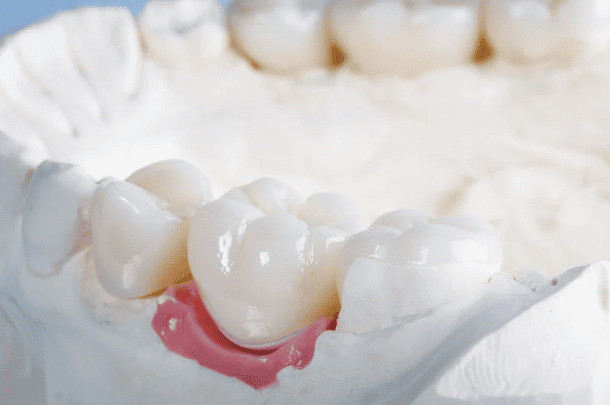
A crown restores an individual tooth, for example when a large filling or damage leaves too little tooth structure for a filling alone. A bridge spans a gap left by missing teeth and needs suitable support.
The choice depends on the remaining teeth, gum health, bone and bite. A bridge is not automatically the right choice when bone is limited. Your dentist can explain bridges, removable dentures and dental implants, including their benefits and limitations.
Our clinic has a CEREC system for digitally scanning, designing and milling crowns. Selected crowns can be made and fitted in one visit when the tooth, material and treatment plan are suitable.
Other crowns and bridges may require laboratory work and separate appointments. The dentist will explain whether CEREC is suitable, whether a temporary restoration is needed and the expected schedule. Same-day treatment is not suitable for every restoration.
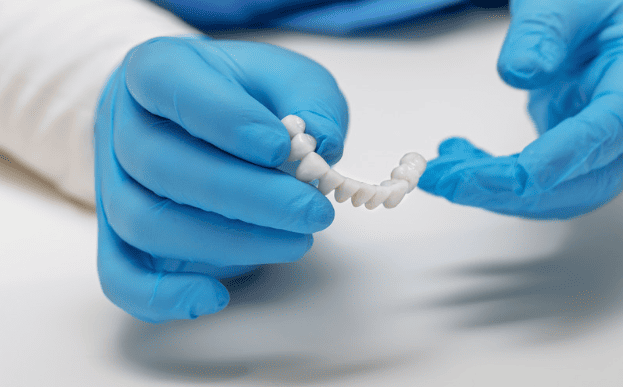
Visits and timing: Selected CEREC crowns may be completed in one visit. Laboratory crowns and bridges usually involve separate stages; the schedule depends on the restoration and any preliminary treatment.
Recovery: Temporary sensitivity or gum discomfort can occur. Your dentist will explain aftercare and when to seek review.
Brush with fluoride toothpaste and clean between the teeth and beneath a bridge as instructed. Crowns and bridges still need regular checks and can require repair or replacement. Contact the clinic if a restoration loosens or you have persistent pain or a bite that feels uneven.
The dentist will discuss material choice according to the tooth, available space, bite, appearance and any relevant material allergies.
Please tell us about dental anxiety or previous uncomfortable experiences. We can explain each stage and discuss local anaesthetic and, where appropriate after assessment, sedation.
Tell the dentist if you feel pain or need a pause so that your comfort can be reassessed.
After root canal treatment, the tooth needs an appropriate final restoration. Back teeth often need a crown because of chewing forces. Front teeth do not always need one, but may if substantial tooth structure has been lost.
Your dentist will assess the remaining tooth and bite before recommending a filling, crown or another restoration. A crown cannot guarantee that a tooth will never fracture.
Cosmetic Dentistry, Smile Design, Veneers, Full Mouth Implants
General Dentist
Speaks: English

Dental Crowns, Root Canal Treatment
General Dentist
Speaks: English, Spanish


Contact us to arrange an assessment and discuss suitable crown or bridge options, the expected stages, care and fees.